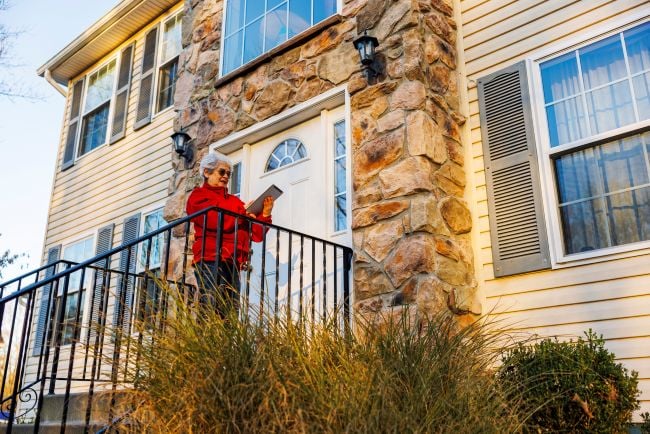
You may have lived happily in your Pocono home for years. But if you’re thinking about selling, you might look around and wonder which parts a buyer would want to change. And if you’re going to spend money before listing, you’ll want to know whether that work could make a difference to your sale.
So, should you renovate before selling your home, or put it on the market as it is? Let’s look at how to make that decision before you commit to a project.
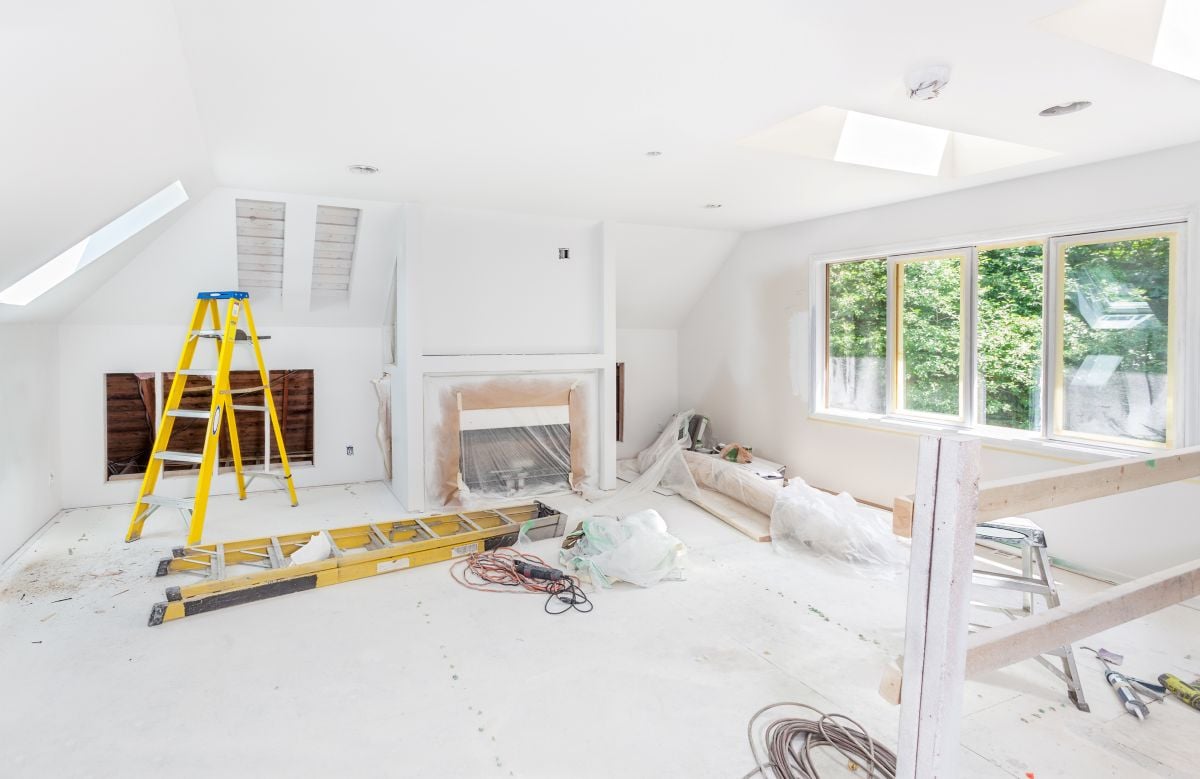
What Will a Renovation Add to Your Sale?
A renovation can make your home more appealing without adding its full cost to the sale price. Suppose you replace a kitchen that already functions well. Buyers may appreciate the result, but nearby sales might not justify a price high enough to recoup your costs for the project.
To increase your home’s value before selling, compare what similar homes have sold for in their current condition with what updated homes have actually brought in. Pay attention to the size and location of those homes, too. A national return-on-investment figure can give you ideas, but local sales give you a better basis for spending your money.
Home Improvements That Add Value
Some projects deserve a little more consideration because buyers will notice the change immediately. Painting worn walls can make rooms look cared for, and replacing a damaged front door can improve the entrance buyers see when they arrive. If your roof needs to be replaced, its condition may carry more weight in a buyer’s decision than a newly redesigned room.
National remodeling research reports a strong average cost recovery for certain exterior replacements. Real estate professionals also frequently recommend painting before a sale. Neither finding means you should replace a sound door or roof just to follow a ranking. Look at what your home needs and what comparable properties offer.
Cosmetic Updates or a Major Remodel?
A kitchen doesn’t need to be brand-new to show well. If the cabinets are sound but the paint is worn, repainting may address what buyers will see without committing you to new cabinetry. The same thinking applies to a bathroom where fresh grout and a working fixture would make a clearer difference than replacing everything.
A major remodel asks you to choose finishes for someone who hasn’t bought the home yet. It also brings a much larger bill. Before approving one, find out whether updated homes nearby have sold for enough more to justify that expense.
What Will Buyers Expect From This Home?
Look at the homes a buyer could choose instead of yours. If comparable listings are clean and functional but haven’t been extensively remodeled, your home may not need a complete overhaul to compete. If they offer noticeably better-maintained interiors at a similar price, you’ll need to decide whether to make targeted updates or adjust your asking price.
That comparison needs to account for the property itself. A full-time residence, a vacation home, and an investment property can attract buyers who are likely to have differing ambitions. Meaning, rather than making an assumption about what every buyer wants, focus on what someone would reasonably expect from a home like yours. A buyer considering several vacation homes may care more about condition and move-in readiness than a high-end remodel. Someone comparing primary residences may pay closer attention to deferred maintenance or updates they'll need to tackle themselves.
Repairs Worth Addressing Before Listing
If a faucet leaks or a door won’t close properly, get a repair estimate before buyers encounter the problem during a showing or inspection. For a larger concern, such as a roof leak or water entering a basement, have a qualified professional identify what’s happening before deciding whether to repair it or account for it in your sale plans. Even when a buyer loves the home, any visible maintenance concerns or malfunctioning items can give them grounds to negotiate.
Repair and disclosure are separate decisions. Pennsylvania generally requires sellers in covered residential transactions to disclose known material defects. Choosing to sell a home in its current condition doesn’t remove that obligation.
Set a Budget Against the Likely Sale Price
Before hiring a contractor, get an idea of what your home could sell for today. Then get a written quote for the specific project you're considering and compare it against similar local homes that have recently sold. If updated properties aren't bringing enough of a premium to cover the expense, that project may not be worth doing before listing.
Account for the money you’ll spend and the time the project will take. If the likely difference in sale price is smaller than the cost of the work, you have a clear reason to reconsider it. You can then put that money toward a smaller repair or keep it available for your move.
When Selling As-Is Is the Better Choice
You may decide to list without renovating if the work is extensive, the likely price increase won’t cover it, or you need to sell sooner than contractors can finish. In that case, the home’s condition belongs in the pricing discussion. Buyers who plan to do the work themselves will consider its cost when deciding what to offer.
Selling as-is still gives you choices about presentation. You can clean the home, clear access for showings, and use accurate photographs to show what’s there. And you’ll still need to complete the disclosures that apply to your sale.
Time the Work Around Your Selling Plans
A project that looks manageable on paper can affect when your home is ready to list. Ask the contractor when they can begin, how long the job is expected to take, and what must be finished before you can clean and photograph the space. If you have a date in mind for your move, those answers may narrow the projects worth taking on.
Give the completed work enough room in your schedule before the listing photographs are taken. If a renovation would push the sale past the date you need, a smaller update or an as-is listing may serve your plans better.
Compare Your Options With a Local Team
For Monroe County home sellers, a walkthrough with a local real estate professional can identify which updates buyers are likely to notice before any contractors are hired. And, as an independent real estate brokerage here in the greater Pocono Mountains, our team can help review comparable sales with you, discuss the home’s current condition, and help you decide which projects deserve a quote before you spend. Our seller services include pricing guidance tied to your timeline, along with staging and presentation suggestions.
That gives you an easy way to make a decision about a potential renovation before you actually make a commitment to a contractor. Once you’ve chosen what to do, we can plan how to present and market the home you’re actually putting up for sale.
Decide What Your Pocono Home Needs Before You List
You’ve lived in the home; you shouldn’t have to guess whether changing it for the next owner will repay you. Here at Redstone Run Realty, we’ll look at your property alongside relevant Pocono sales and talk through the work you’re considering. Then we can build a pricing and presentation plan around the decision you make.
Contact our team to request a home valuation and discuss your selling plans before you commit to a renovation.
Renovating Before Selling: Frequently Asked Questions
Should I Renovate My Home Before Selling?
Maybe, but you don’t need to decide before you know what buyers are paying for comparable homes. A few repairs or cosmetic updates may be worth doing. A larger renovation deserves a closer look at its cost and the price your home could realistically bring afterward.
Which Home Improvements Add the Most Value?
It depends on your home’s condition. Painting worn rooms or replacing a damaged front door may be useful places to spend. National research shows strong cost recovery for some exterior replacements, but those averages don’t tell you what a particular project will return on your Pocono home.
How Much Should I Spend on Renovations Before Listing?
There isn’t a set amount. Get a quote for the work you’re considering, then compare it with the likely difference between your home’s current sale price and its price after the project. That gives you a clearer reason to spend, scale back, or skip it.
Is It Better to Sell a Home As-Is in Some Situations?
Yes. If the work would cost more than you’re likely to recover or delay a sale you need to make soon, selling in its current condition may be the better choice. You’ll still need to disclose known material defects when Pennsylvania’s seller-disclosure law applies.