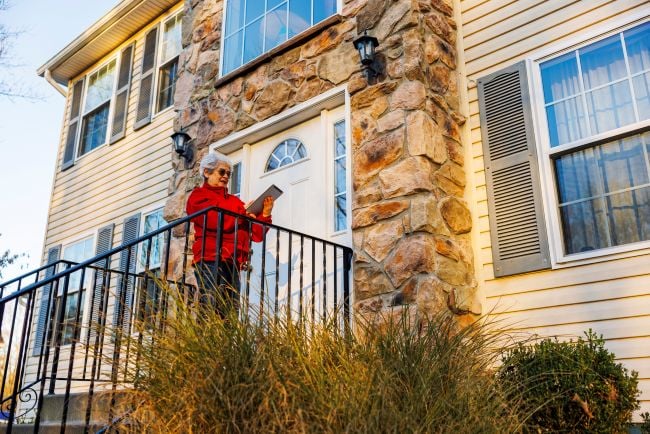
You may walk through an existing Pocono home and immediately see how your life could fit inside it. A new home asks you to picture something else: how the rooms, finishes, and property could all come together once the work is complete.
When you compare new construction homes in Poconos with existing properties, you decide how much of the home you want to see and experience before you buy it. Let’s look at what each path will ask of you and what it can offer in return.
New vs. Existing Homes: What’s the Difference?
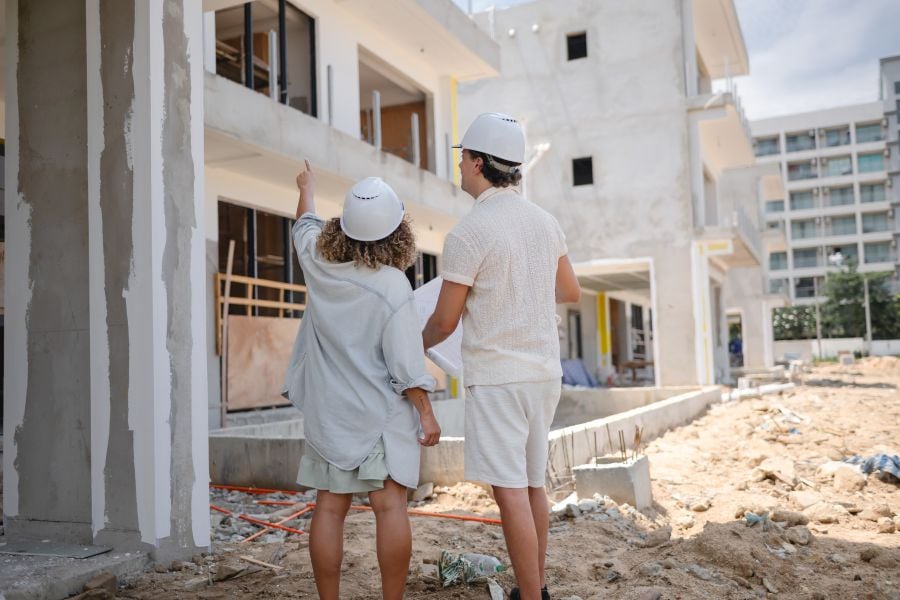
A newly constructed home has never been occupied, but that doesn’t always mean you’ll be waiting for one to be built. You could purchase a completed home, enter after construction has already begun, or work with a builder from an earlier stage.
An existing home lets you walk through the actual rooms, inspect the property, and see the surrounding community before you submit an offer. That difference affects how much you can choose ahead of time, how accurately you can plan your move, and which parts of the home you’ll need to evaluate before buying.
What a Newly Built Home Can Offer
New homes usually come with recently installed roofing, appliances, windows, and heating and cooling equipment. That can give you a lot more time before age alone is going to make a major replacement necessary. Certain materials and components may also carry builder or manufacturer warranties, although you’ll want to read what each warranty covers and how long that protection lasts.
You may also find newer layouts or energy-saving features that would require additional work to add to an older house. Still, compare the actual insulation, windows, appliances, and mechanical systems rather than assuming every recently built home will use less energy.
Why Buyers Choose Existing Homes
When you tour existing homes for sale in Poconos, you can see how each house sits on its lot, how much natural light enters the rooms, and what the surrounding area is like throughout the day. You’ll also know whether mature trees, outdoor improvements, or other property features are already there.
An existing home may give you more choices in communities where very few open lots or newly built properties are available. And unless you plan to renovate first, you can generally move in after closing instead of waiting for construction to finish.
Compare the Complete Upfront Cost
A completed new home may have a clear purchase price, but upgrades can raise that amount. If you’re building, account for the land and the work needed to prepare it. Bringing utilities to the homesite, installing a driveway, and completing the landscaping may also be part of your total project cost.
An existing home gives you one purchase price, but inspections may identify work you’ll want to budget for after closing. Compare the builder’s complete proposal with the existing home’s price and expected improvements. That gives you a more useful financial comparison than looking at the asking prices alone.
Plan for Maintenance After the Purchase
A new home still needs routine care, even when every major component has just been installed. You should also have the property independently inspected before closing. New materials don’t prevent installation mistakes, and identifying an issue before you move in gives you an opportunity to address it with the builder.
With an existing home, review the inspection findings alongside the age and condition of its roof, heating equipment, cooling system, water heater, and appliances. Maintenance records can show what previous owners have already completed. From there, you can decide which expenses may arrive soon and which components still have useful life left.
Choose the Community Before the House
A house can fit your budget and still place you farther from the locations you expect to use regularly. Drive from the property to work, stores, recreation, or any other place that will be part of your routine. Then look at the roads and access you’ll rely on throughout the year.
If the property belongs to an association, review its dues, rules, amenities, and construction requirements. Buyers planning to rent the home should also verify the township’s current short-term rental rules and the association’s restrictions before purchasing. Those details can affect how you use either a newly built or existing property.
How Much Can You Customize?
Your choices when buying a new construction home depend on how far the builder has progressed. An early purchase may let you select from available floor plans, finishes, fixtures, or upgrade packages. If the home is nearly complete, many of those decisions may have already been made.
Ask which selections are included in the base price, when each choice must be submitted, and how an upgrade will affect the final amount. An existing home gives you less influence over its original construction, but you can make changes on your own schedule after you’ve lived there and know what you genuinely want to alter.
Think Past the Day You Buy
A new home’s price may include upgrades chosen specifically for you, but a future buyer may not pay the same premium for those selections. Before approving one, consider whether it improves the home’s everyday use or mainly serves a personal preference.
An existing property may retain appeal because of its location, lot, architectural details, or established outdoor features. Its future value will still depend on how well you maintain it and how it compares with other homes available when you sell. In either case, resale potential comes from the complete property rather than its age alone.
Match the Home to Your Actual Plans
Start with the date you need to move. If you have limited flexibility, a completed new home or an existing property may fit your schedule better than a house still under construction. If you’re prepared to wait and want a role in choosing the finished home, entering the building process earlier may be worth considering.
Then account for how involved you want to be. Construction brings selections, approvals, and deadlines. An existing home may bring repairs or future updates. Your budget, intended use, and willingness to take on either process will tell you far more than a general preference for new or old.
Compare Pocono Homes With Our Local Team
A useful Pocono home buying guide should eventually lead you to real properties, communities, and costs. Here at Redstone Run Realty, our team can help you compare newly built and existing homes throughout the Pocono Mountains. We’ll look at what each property currently offers, what you may need to spend after purchasing, and how its location fits the way you plan to use it.
Our homebuying services here in Monroe County also give you access to local community knowledge, pricing analysis, and trusted service partners. Browse available homes or contact us today to start comparing your options.
New and Existing Homes: Frequently Asked Questions
Are New Homes More Expensive Than Existing Homes?
They can be, but the complete cost depends on the property. With new construction, upgrades, land preparation, utility connections, and landscaping may add to the advertised price. An existing home may cost less upfront but require repairs or improvements after closing. Compare what each option includes before deciding which one better fits your budget.
What Are the Benefits of Buying an Existing Home?
You can tour the completed house, inspect its current condition, and see the established lot and community before making an offer. Existing homes may also give you more location choices and a quicker path to moving in. Any renovations can usually be planned after you’ve lived there and identified the changes you truly want.
Do New Homes Require Less Maintenance?
New homes often have fewer age-related replacement needs because their roofing, appliances, and mechanical systems were recently installed. But they still need routine maintenance and an independent inspection. You'll also want to review the builder and manufacturer warranties, so you know which components are covered and what you must do to preserve that coverage.
How Do I Decide Which Option Is Right for Me?
Compare your move date, complete budget, desired location, maintenance expectations, and interest in making construction decisions. Tour available existing homes and completed new properties when possible. Seeing what you can purchase now will give you a practical comparison before you commit to building or waiting for a home that’s still under construction.